Why It Pays to Know What You Buy: CBD Products for Real Relief
Getting CBD Right Starts with Sourcing
I have spent years watching the CBD market grow from a niche corner of wellness into a mainstream staple. Along the way, I have made my share of mistakes. I bought cheap gummies that tasted like cardboard and did nothing. I tried a topical balm that claimed to soothe sore joints but left a greasy mess with zero effect. The lesson was simple: not all CBD is equal. When you decide to buy CBD products, the difference between a waste of money and something that actually helps comes down to what is inside the bottle, gummy, or vape pen.
That is why I now pay close attention to extraction methods, lab reports, and the source of the hemp itself. The plant is a complex organism. It contains over a hundred cannabinoids, and cannabidiol is just one of them. A well-made product preserves that complexity. A poorly made one strips it down to a single molecule and calls it a day. If you want real relief whether for anxiety, sleep, or inflammation you need the full picture.
Full-Spectrum CBD and Why It Matters
Full-spectrum CBD is the term that changed how I shop. It means the extract contains the full range of cannabinoids, terpenes, and other compounds naturally found in the hemp plant, not just isolated cannabidiol. This is important because these compounds work together in what researchers call the entourage effect. The whole plant extract tends to be more effective than any single cannabinoid on its own.
When I switched to full-spectrum products, the difference was noticeable. A few drops of a tincture under the tongue helped me wind down after a long day. A balm rubbed into my shoulder after a workout reduced the ache faster than any over-the-counter cream had. The endocannabinoid system in our bodies responds to this range of compounds, and feeding it only one cannabinoid is like trying to tune a radio with only one frequency. You miss the signal.
How Extraction Affects What You Get
Not all extraction methods are equal. CO2 extraction is the gold standard in my experience. It uses pressurized carbon dioxide to separate the cannabinoids and terpenes from the plant material without leaving behind harsh solvent residues. The result is a clean, potent oil that retains the plant's natural profile. I have tried products made with ethanol extraction and found them harsher on the throat, especially in vape pens. CO2 extraction tends to produce a smoother experience and better bioavailability, which means your body actually uses more of what you consume.
Bioavailability is a word that gets thrown around a lot, but it matters. A tincture taken under the tongue enters the bloodstream faster than an edible that has to go through digestion. A vape pen delivers cannabinoids to the lungs, which also offers quick absorption. But the quality of the starting material determines how much of that good stuff actually makes it into your system. If the hemp was grown with synthetic fertilizers or harvested too early, even the best extraction cannot fix it.
Organic Hemp and Third-Party Lab Testing
I have learned to look for organic hemp as a baseline. Hemp is a bioaccumulator, which means it pulls heavy metals and pesticides from the soil. If the soil is contaminated, those toxins end up in your oil. Organic certification is not a guarantee of perfection, but it is a strong signal that the grower cared about the land. Pair that with third-party lab testing, and you have real transparency. A reputable brand will publish lab results showing cannabinoid potency, terpene profile, and the absence of contaminants like mold, heavy metals, or residual solvents.
I will not buy a product that cannot show me a lab report. That rule has saved me from a lot of disappointing purchases. It also helps me compare different brands honestly. One brand might claim 500 milligrams of CBD per bottle, but the lab report might show only 380. Another brand might be honest and label it at 400. The numbers matter, especially when you are using CBD for something specific like anxiety relief or sleep aid.
Different Forms for Different Needs
The variety of CBD products on the market can be overwhelming. I have tried most of them, and each format has its place. Here is what I have found works best for common situations.
- Vape pens offer fast relief. Inhaling CBD sends it directly into the bloodstream through the lungs. I use a vape pen when I need quick anxiety relief before a stressful meeting or when I cannot sleep and need to calm my mind in minutes.
- Tinctures are versatile. A few drops under the tongue work quickly, or you can add them to a drink. I prefer tinctures for daytime use because I can control the dose precisely.
- Edibles like vegan gummies are convenient and taste good. They take longer to kick in, usually thirty to sixty minutes, but the effects last longer. I reach for an edible when I want sustained relief through the evening or as a sleep aid.
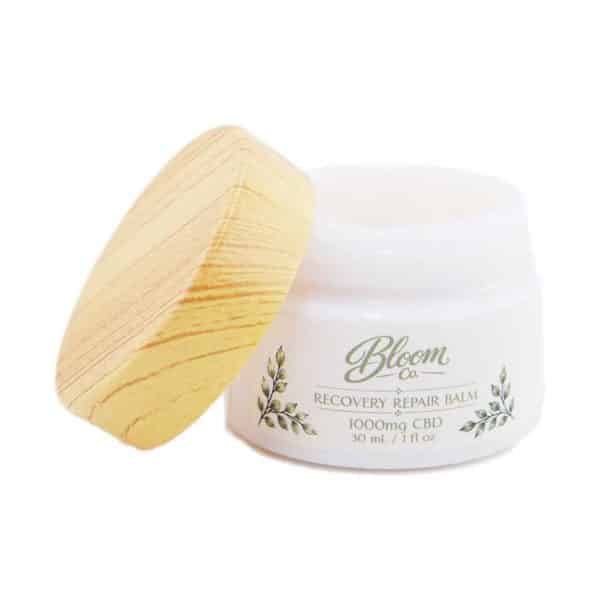
- Topicals including balms and creams target localized discomfort. I apply a balm directly to sore muscles after exercise. The anti-inflammatory properties of CBD work well in this format because the cannabinoids interact with cannabinoid receptors in the skin.
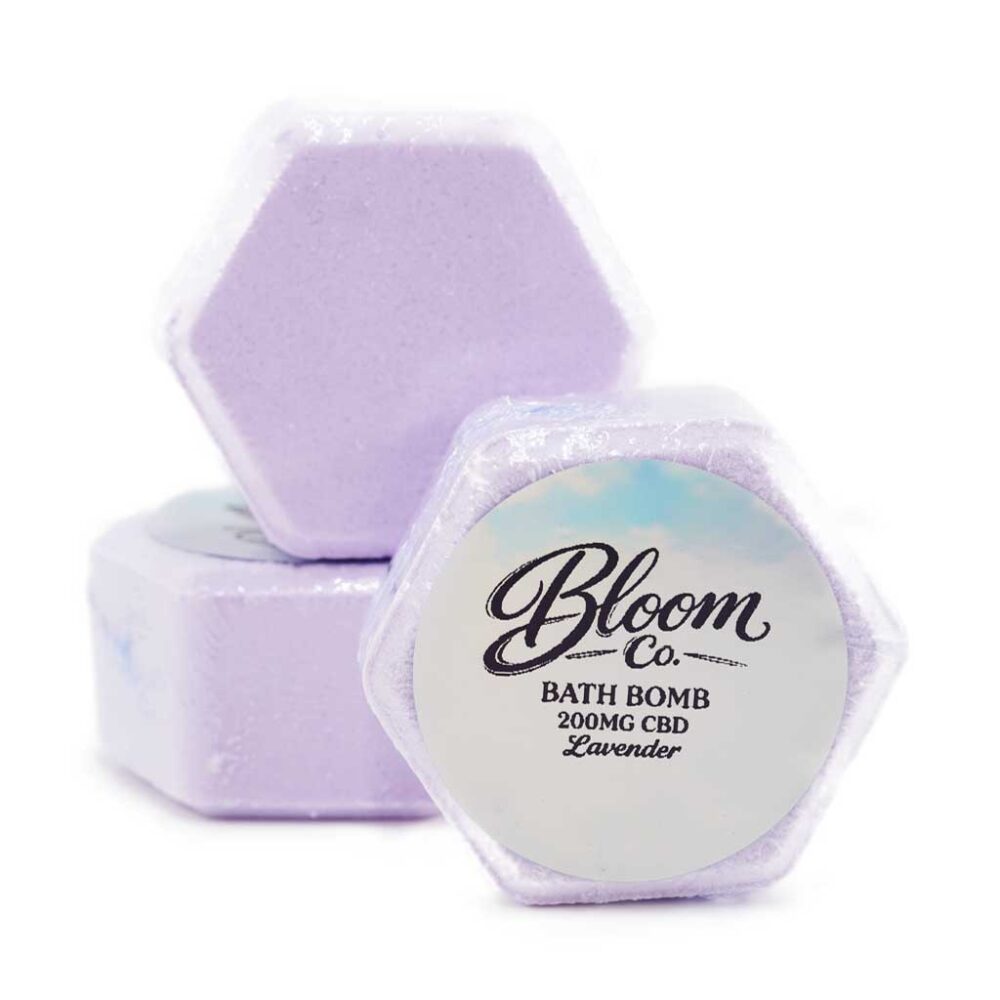
- Bath bombs are a treat. I use them on weekends for a full-body soak. The warm water opens up pores and helps absorption through the skin. It is not the most efficient delivery method, but it is relaxing and complements other forms of relief.
The Role of Terpenes and the Endocannabinoid System
Terpenes are the aromatic compounds that give hemp and many other plants their scent. They also have their own therapeutic effects. Myrcene, for example, has sedative properties. Limonene can lift mood. When a full-spectrum product preserves these terpenes, you get a more nuanced effect than plain cannabidiol alone. The endocannabinoid system, which is a network of receptors throughout the body, responds to both cannabinoids and terpenes. This is why a well-crafted vape pen or tincture can feel different from a cheap isolate product. It is the difference between a single note and a chord.
What to Look for When You Buy CBD Products
After years of trial and error, I have settled on a short checklist that I use every time I buy CBD products. I keep it simple because the market is full of hype and clever marketing.
- Check the source. I look for organic hemp grown in clean soil. Brands that name their farms or regions earn my trust.
- Demand third-party lab testing. If the lab report is not public or easy to find, I move on.
- Prefer full-spectrum extracts. Broad-spectrum is okay, but full-spectrum is better. Isolates have their place, but they lack the entourage effect.
- Match the format to the need. Fast relief means vape pens or tinctures. Long-lasting relief means edibles. Localized issues mean topicals.
- Read the label for carrier oils and additives. Some brands cut corners with cheap fillers. Good brands use MCT oil, olive oil, or other clean carriers.
Using this checklist has saved me money and frustration. It also helps me recommend products to friends without hesitation. When someone asks me where to start, I tell them to buy CBD products from a company that is open about its process and proud of its testing. That is the fastest way to find something that actually works.
Real Relief Is Possible with the Right Product
I have seen CBD help people manage chronic pain, reduce anxiety, and improve sleep quality. My own experience with neuroprotection is still early, but the research into CBD's role in supporting brain health is promising. The key is consistency and quality. A single dose of a weak product will not do much. But a well-made full-spectrum tincture taken daily, combined with a topical for specific aches, can produce noticeable changes over a few weeks.
One thing I have learned is that your body tells you what works. Pay attention. If a product makes you feel cloudy or does nothing at all, try a different format or a different brand. The CBD market is still young, and not every company is doing it right. But the ones that care about extraction, testing, and transparency are making a real difference. KushStation is one of those places that takes the process seriously, from sourcing organic hemp to using CO2 extraction and publishing lab results. That kind of attention to detail matters when you are looking for genuine relief.
Whether you are new to CBD or have been using it for years, the advice stays the same. Do your homework. Look for full-spectrum products. Check the lab reports. And when you find a brand that delivers on its promises, stick with it. The goal is not to buy CBD products endlessly. The goal is to find the ones that help you feel better, and then keep using them with confidence.
Corrections
Spot something wrong? Send it to the desk and it gets fixed in the open.